
Fall may have roared in just now….
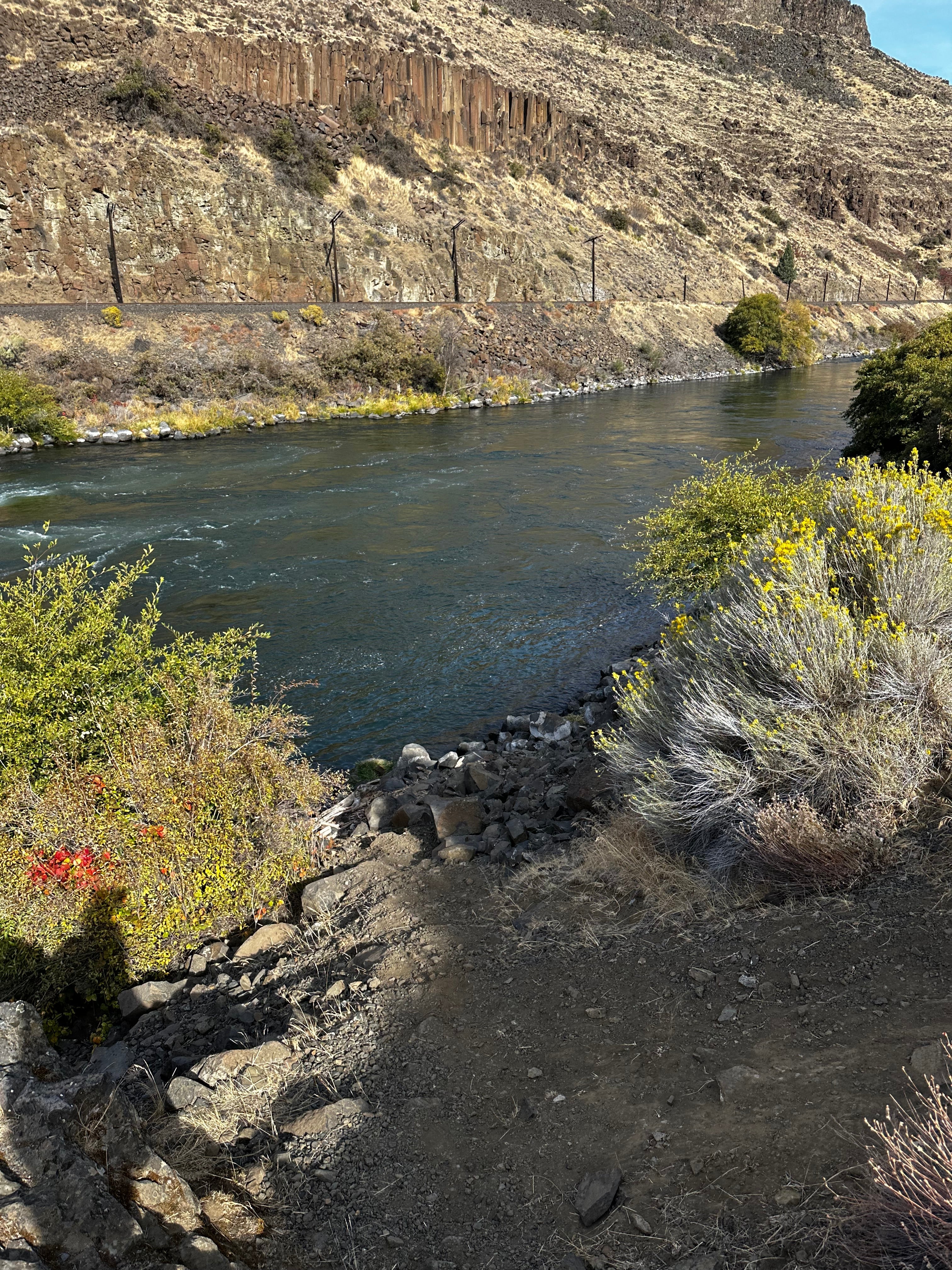
It is Friday morning, about 4:15 AM, and I can hear the wind knocking the juniper trees around - picking up strength with each subsequent gust. The cool-down has begun, with temperatures expected to be in the sixties through the week, rather than the high seventies and low eighties which we have been experiencing for the past few weeks.
Today and late Sunday afternoon look to be breezy, but the forecast for most of the day on Saturday looks good. The winds in the fall are rarely as strong and unpredictable as the winds that we normally trout fish though during the mayhem of May.
I know my last report was tough to read - a small analysis of the steelhead closure - so, I will try to keep this one a bit more positive and upbeat.
Angling traffic through the store has been far lighter than in year’s past when the river was full of steelhead anglers. We are seeing, however, a lot of anglers discovering the joy of fishing the Deschutes in the fall. For years and years many of you pounded the steelhead water with Spey rods, swinging steelhead flies for hours while our hard-fighting redband trout happily sipped on caddis dries and mayfly dries all round you. Now that the steelhead fishing is closed, you find yourself on the river facing upstream with a dry dropper lighting up big trout.
There are many ways to go about getting a nice redband trout to eat your fly - and down and across swinging is one of the least effective techniques for hooking trout. How would I say that? Well, based on standing in the river guiding steelhead for days on end - with 2-3 anglers per day swinging muddlers and small natural hairwings for 14 hours of fishing - the number of trout that ate the down and across swung flies could be counted on one hand for the entire season. We would maybe hook one trout per every 300-400 angler hours of effort.
Rather than simply casting out and letting the fly swing on a tight line, the far more effective way to get trout to grab your sculpin pattern or leech pattern is to cast it out on a sink tip (perhaps slightly upstream to allow the tip to begin sinking in slack water before it is under tension) and to strip the fly in a jerking/fleeing action as it swims downstream. Be ready for a jolting grab.
Most anglers are sticking with their favorite nymph-rig, whether that be a Euro-style tight-line set up with no indicator, or the traditional nymph-rig with two heavy nymphs under an indicator. Either method will serve you well this time of year. We have a couple of nymphs that are really turning trout heads - so stop in a grab a few secret weapons before hitting the water.
The dry fly fishing has been a little tougher to find with all-day-long consistency, but fishing a dry fly with a dropper nymph underneath it has been quite productive for those who know the productive holding water. Backeddies - large or small - are a good place to emply a dry-dropper rig. Often your nymph and dry will get completely sucked under by strong currents on the edge of the Deschutes, or in the backeddies. If you are fishing a natural-looking dry fly - one that doesn’t have a big pink puff on the top of it - it is not a bad idea to continue to fish your dry fly even if a large swirling current has just sucked it under.
Caddis and mayflies on the Deschutes do not float forever, sometimes they get sucked under by strong micro-currents and get swirled down into the depths. Drown caddis and mayflies are 100% on the menu for Deschutes trout, so fish that dry fly drowned if the current where you are fishing happens to suck the fly under. Seasoned anglers of our salmonfly hatch know how effective this late-season trick can be.
Your best opportunities for dry fly fishing will likely happen in the early mornigns and evening just as the sun is setting. There could be a mayfly hatch in the mid-day, but that is more likely on a cloudy/rainy day.


Thanks for the excellent report Amy. I actually enjoy the fall and early spring fishing best on the Deschutes👍
Thanks for the informative report. Some of my best fishing has been this time of year with smaller Adams.
Thanks for the informative report. Some of my best fishing has been this time of year with smaller Adams.